- January 23, 2026
- Posted by: swimlyadn1m
- Category: Competitive Swimmers
Sharks, Storms, and Sydney Harbour: What Fear Misses About the Ocean
I’ve spent most of my life in the water.
Pools. Oceans. Harbours.
So when shark attacks happen close to home, especially in places like Sydney Harbour, the reaction is immediate. Fear rises. Questions follow. Parents worry. Swimmers hesitate. Headlines amplify the anxiety.
That response is human.
But it often misses the real story.
Shark Encounters Are Environmental
Shark encounters are rarely random. They are almost always environmental.
In recent days, Sydney has experienced heavy rainfall. When that happens, the harbour changes fast. Stormwater drains, rivers, and runoff flush huge volumes of fresh water into the system. That water carries nutrients, debris, and organic matter. Visibility drops. The water turns brown. Temperature and salinity shift.
Fish respond first.
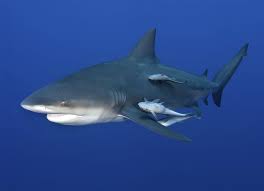
Small bait fish move in to feed. Larger predatory fish follow. Bull sharks follow them.
This is normal behaviour.
Why Bull Sharks Appear After Heavy Rain
Bull sharks are uniquely suited to environments like Sydney Harbour. They tolerate both fresh and salt water. They hunt confidently in low visibility. They rely on pressure, vibration, and movement more than sight. Murky water does not deter them. It invites them.
This is why shark activity often increases after heavy rain.
It is not aggression.
It is opportunity.
In clear water, sharks tend to avoid humans. They can see us. We are not on the menu. In murky water, that clarity disappears. A swimmer’s silhouette, splashing arms, or erratic movement can be misread. What follows is often described as an “attack,” but more accurately, it is an investigative bite.
Understanding this distinction matters.
Fear grows fastest in the absence of context.
What People Are Actually Afraid Of
This is something I see clearly in my fear of ocean sessions. I work with adults who are deeply uncomfortable in open water. Many arrive convinced that sharks are the main threat. They expect that fear to dominate.
It almost never does.
Sharks are rarely the first thing people are afraid of.
What they fear most is their ability to get back to shore safely.
They worry about waves pushing them around.
They worry about currents pulling them sideways.
They worry about rocks, reefs, and entry points.
They worry about panic setting in when they can’t touch the bottom.
These fears are grounded in lived experience. People have been knocked over by shore break. They’ve swallowed water. They’ve been spun by rips. They’ve felt that moment of helplessness when the ocean stops feeling predictable.
That loss of control is far more immediate than the abstract idea of a shark.
The Ocean Isn’t Managed — and That’s the Point
In many ways, sharks become a symbol for a deeper discomfort. The ocean feels vast. Uncontained. Unmanaged. Unlike a pool, there are no lane ropes, no walls, no guarantees.
And that is exactly what makes the ocean powerful.
It is alive.
It reacts to weather.
It responds to tides, wind, and rainfall.
When we ignore those signals, risk increases.
Reducing Risk Through Awareness
If you want to reduce the risk of a shark encounter, the steps are practical and well established.
Avoid swimming after heavy rain.
Stay out of murky water.
Be cautious at dawn and dusk.
Avoid areas where bait fish are active.
Limit splashing and erratic movement.
These are not extreme measures. They are basic ocean awareness.
The same awareness applies to waves, currents, and exits.
Before any open water swim, you should know how you will get back to shore. Where the safest exit is. How the swell direction affects that exit. What the tide is doing. Where the rip currents are likely to form.
Respect Over Fear
In my sessions, once people learn how to read these elements, fear drops quickly.
Not because the ocean becomes safe.
But because it becomes understandable.
That distinction is important.
The ocean does not owe us safety.
It demands respect.
Sharks are part of that system. So are currents. So are waves. None of them are personal. None of them are malicious.
They simply are.
When we frame shark encounters as isolated acts of violence, we lose the opportunity to educate. We trade understanding for outrage. And outrage leads to poor decisions.
The Ocean Sets the Terms
The bigger picture is this.
The ocean gives us freedom, clarity, and challenge. It also sets the terms. When conditions change, we must change with them.
If the water is brown, ask why.
If the swell has shifted, adjust your plan.
If the rain has been heavy, give the ocean time to reset.
These choices do not come from fear.
They come from respect.
That mindset keeps people safer than panic ever will.
The goal is not to remove risk.
The goal is to understand it.
When you do, the ocean becomes less frightening and more honest.
And that honesty is exactly why so many of us keep coming back.
Swim safely
Jason Cram | Founder of Swimly