- April 13, 2026
- Posted by: swimlyadn1m
- Category: Competitive Swimmers
Which Swimming Stroke is the Fastest?
If you’ve ever watched competitive swimming or tried racing in the pool yourself, you’ve probably wondered: which swimming stroke is actually the fastest?
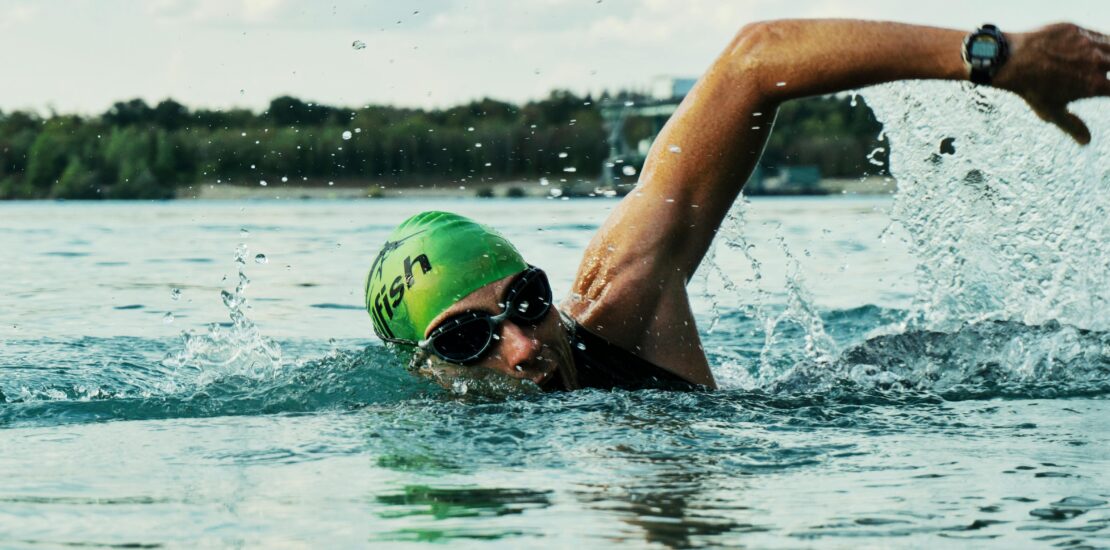
The answer is simple—freestyle (front crawl) is the fastest swimming stroke. But understanding why it’s the fastest requires a closer look at technique, efficiency, and how it compares to other strokes.
Why Freestyle is the Fastest
Freestyle, commonly known as the front crawl, dominates speed for several reasons:
- Continuous propulsion: Alternating arm strokes keep you moving forward without pause
- Efficient body position: A streamlined, horizontal posture reduces drag
- Powerful kick: The flutter kick provides consistent momentum
- Breathing flexibility: Swimmers can breathe without breaking rhythm
Because of these factors, freestyle is used in most competitive races, especially in sprint and long-distance events.
How Other Strokes Compare
While freestyle leads in speed, other strokes have their own strengths:
Butterfly
- Second fastest stroke
- Requires strong upper body and core
- Uses a dolphin kick and simultaneous arm movement
- Very powerful but energy-intensive
Backstroke
- Similar mechanics to freestyle but performed on the back
- Slightly slower due to less efficient propulsion and body alignment
Breaststroke
- The slowest of all competitive strokes
- Involves a glide phase that reduces speed
- Focuses more on timing and technique than power
Speed Ranking of Swimming Strokes
From fastest to slowest:
- Freestyle (Front Crawl)
- Butterfly
- Backstroke
- Breaststroke
Why Speed Matters in Swimming
Speed isn’t just about winning races—it also reflects efficiency. The faster strokes:
- Minimize resistance in the water
- Maximize propulsion with each movement
- Maintain consistent momentum
That’s why freestyle is often the first stroke taught to swimmers aiming to improve endurance and performance.