- April 20, 2026
- Posted by: swimlyadn1m
- Category: Competitive Swimmers
Best Swimming Stroke for Back Problems: A Complete Guide
Back pain can make everyday movement uncomfortable—but the right kind of swimming can actually help relieve it. Because water supports your body and reduces impact, swimming is often recommended for people dealing with spinal issues. The key, however, is choosing the right stroke.
Why Swimming Helps Back Pain
Swimming is a low-impact exercise that:
- Reduces pressure on the spine
- Improves flexibility and mobility
- Strengthens core and back muscles
- Promotes better posture
But not all strokes are equally beneficial—some can even worsen discomfort if done incorrectly.
Best Stroke for Back Problems
1. Backstroke (Highly Recommended)
The Backstroke is widely considered the best stroke for people with back problems.
Why it works:
- Keeps your spine in a neutral position
- Avoids forward bending or twisting
- Opens up the chest and improves posture
- Places minimal strain on the lower back
Tip: Focus on gentle, controlled movements and avoid over-arching your back.
Other Good Options
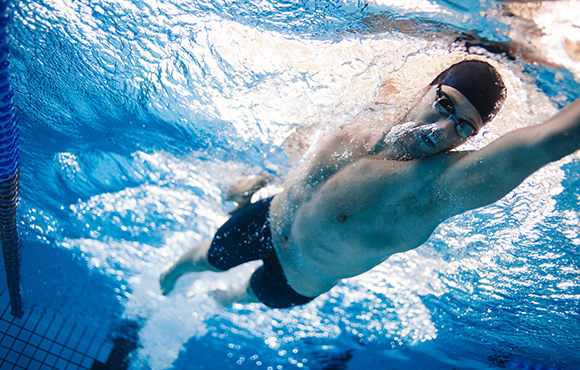
2. Freestyle (Front Crawl) – With Proper Form
The Freestyle swimming can be beneficial if done correctly.
Pros:
- Builds core strength
- Encourages spinal alignment
Watch out for:
- Excessive body rotation
- Lifting your head too high while breathing
Tip: Keep your head aligned with your spine and rotate your body smoothly.
Strokes to Be Careful With
3. Breaststroke (Use With Caution)
The Breaststroke can strain the lower back and neck.
Why:
- Involves repeated arching of the back
- Requires lifting the head frequently
If you choose this stroke, consider a modified version with your head in a more neutral position.
4. Butterfly (Not Recommended)
The Butterfly stroke is generally not advised for people with back issues.
Reason:
- High strain on the spine
- Requires strong, forceful movements
- Can worsen pain or injury
Tips for Safe Swimming with Back Pain
- Warm up before entering the water
- Start slow and gradually increase intensity
- Use swimming aids (like kickboards or pull buoys)
- Focus on technique over speed
- Stop immediately if you feel pain