- May 7, 2025
- Posted by: swimlyadn1m
- Categories: Swimly Blog, Water Safety
Over the Easter long weekend this year, eight people tragically lost their lives in water-related incidents across Australia. Beaches, rivers, lakes—places we associate with leisure and fun—became sites of unimaginable loss for families.
What many people don’t realise is that most drownings don’t happen during swimming lessons or while doing laps at the local pool. They happen during everyday activities: rock fishing, wading, boating, jumping off rocks, even walking near the water’s edge.
In many of these cases, the person wasn’t trying to swim—they simply slipped, misjudged a wave, or got caught off guard by a change in depth or current.
At Swimly, we specialise in helping adults overcome fear of water—but more importantly, we teach water competency, not just swimming strokes. And here’s why that matters now more than ever.
Drowning Doesn’t Look Like You Think
Forget the Hollywood version of drowning—arms flailing, screaming for help. Real drowning is silent, sudden, and often goes unnoticed until it’s too late.
-
A child slips into a backyard pool while chasing a ball.
-
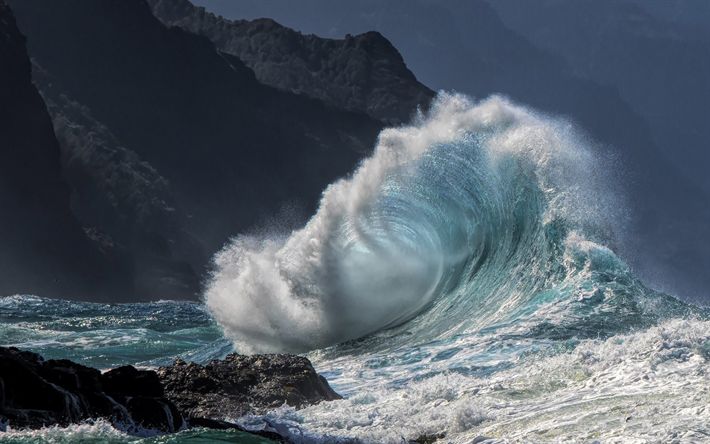
A rock fisherman is swept off the ledge by a rogue wave.
-
A tourist misjudges the conditions at a beach and is pulled into a rip.
In almost every case, the person doesn’t call out. They can’t. Their energy is spent trying to breathe, not shout. That’s why bystanders often don’t react until the person disappears.
Swimming Ability ≠ Water Safety
Being able to swim 50 metres freestyle isn’t enough. You need to be able to:
-
Float when you’re panicked.
-
Calm your breathing in open water.
-
Read conditions before you even step into the ocean.
-
Get yourself back to shore without exhausting your energy.
At Swimly, we teach these skills in every adult session. Whether you’re in our trauma-informed aquaphobia program or our open water confidence group, the focus isn’t just swimming laps—it’s how to survive and respond when things go wrong.
What the Easter Toll Is Telling Us
The tragic Easter drownings weren’t about swimming laps. They were about underestimating risk, overestimating ability, and a lack of water literacy.
Here’s what stood out:
-
Rip currents played a role in several incidents.
-
Alcohol and public holidays continue to be a deadly mix.
-
Many of the victims were adults, some in their 40s and 50s—ages where we assume we “should” know better.
But the truth is: if you were never taught how to safely enter, read, and respond to water—you’re at risk.
What You Can Do Now
We’re not here to scare you. We’re here to equip you.
✔️ If you’re not confident in the ocean, don’t go alone.
✔️ Learn how to float fully clothed.
✔️ Join our adult ocean safety and swimming confidence sessions.
✔️ Book a private session to work on fear, panic recovery, or water survival techniques.
✔️ Talk to your family about real water safety—not just “don’t swim after eating.”
Because drowning doesn’t discriminate. It doesn’t care if you’re fit, successful, or only “ankle deep.” It happens fast. It happens silently. And it often happens to people who didn’t plan to swim at all.
Let’s change that… www.swimly.com.au | Book your water confidence session today.