- June 27, 2025
- Posted by: swimlyadn1m
- Category: Competitive Swimmers
Breath Control and Relaxation in Swimming: Mastering the Art of Breathing for Better Technique
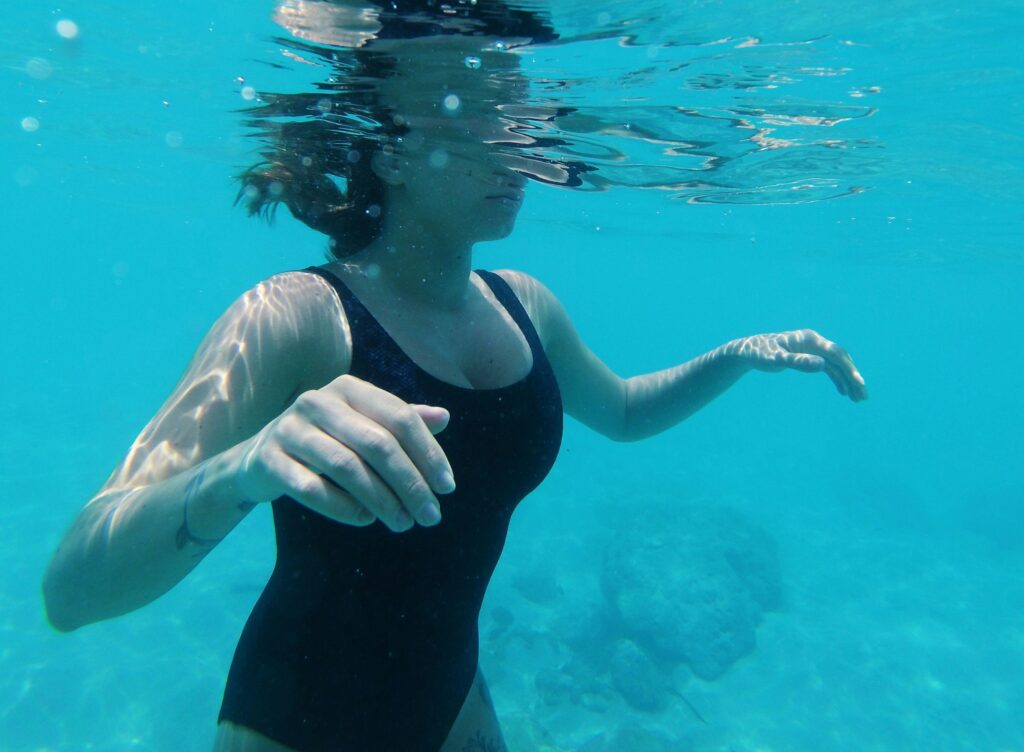
Breath control in swimming is one of the most misunderstood — and most powerful — skills a swimmer can learn. Whether you’re an adult beginner, returning to swimming after years away, or trying to overcome a fear of water, improving your breath control can change everything.
Breath control isn’t about how long you can hold your breath. It’s about how well you can manage your breathing in the water, stay relaxed under pressure, and create a steady rhythm between movement and oxygen.
In this post, we’ll explore the difference between breath control and breath holding, how to develop rhythmic breathing, and how relaxation techniques can help you swim longer, smoother, and with less effort.
The Difference Between Breath Control and Breath Holding
Many adults approach swimming with the instinct to hold their breath as soon as their face hits the water. While this might feel like a natural survival response, it’s actually the opposite of what you want.
Breath holding is when you trap air in your lungs and don’t exhale. It builds tension in the body, increases heart rate, and can quickly lead to panic, especially in deep water.
Breath control, on the other hand, is the ability to:
- Inhale at the right time
- Exhale slowly and consistently underwater
- Coordinate your breath with your stroke
- Stay calm and relaxed throughout
Controlled breathing is a skill. It takes practice, especially if you’ve had a bad experience with water or never learned proper technique as a child.
Why Breath Control Matters in Swimming
Swimming is one of the few sports where you can’t breathe whenever you want. In the water, your access to air is limited — and your body must adapt.
Here’s what effective breath control allows you to do:
- Reduce anxiety in the water
- Improve buoyancy and body position
- Maintain endurance over longer distances
- Prevent panic and energy loss
Most adult swimmers don’t struggle with fitness. They struggle with managing their breath. Fixing this can unlock massive gains in confidence and technique.
How to Develop Rhythmic Breathing
Rhythmic breathing is the foundation of breath control. It means you’re breathing in time with your strokes — calmly, consistently, and without tension.
Here’s a progression you can try in the pool:
1. Sink-Down Breathing (Confidence Builder)
Stand in chest-deep water. Take a breath, submerge, and exhale slowly through your nose. Let yourself “sink down” as you release air. When you’ve fully exhaled, come back up for a calm inhale.
Repeat 10 times. This builds trust in the water and helps your brain learn that exhaling underwater is safe, not dangerous.
2. Kickboard Breathing Drill
Hold a kickboard and swim with a flutter kick. Breathe every 3 strokes if doing freestyle arms, or every few kicks if kicking only. Focus on:
- A relaxed exhale underwater
- A quick but calm inhale to the side
- Not holding your breath in between
Tip: Bubbles should be coming out almost the whole time your face is in the water.
3. 3-2-1 Breathing Pattern
Swim freestyle, starting with breathing every 3 strokes (bilateral breathing). Then switch to every 2 strokes, and finally every stroke. This helps you adapt to different effort levels and simulates conditions like racing or swimming against waves.
Relaxation Techniques to Support Breath Control
You can’t control your breath if your body is tense. That’s why relaxation is a key part of every great swim session — especially for adults overcoming water fear.
Here are three ways to incorporate relaxation into your swimming practice:
1. Floating Meditation
Lie on your back in the shallow end, arms out, eyes closed. Focus on the feeling of the water holding you up. Breathe in through your nose and out through your mouth. Stay here for 2–3 minutes.
This rewires your nervous system to associate water with calm, not stress.
2. Pre-Swim Body Scan
Before you jump in, take 60 seconds to mentally scan your body from head to toe. Notice any tension in your jaw, shoulders, or stomach. Consciously release it before you begin swimming.
It creates a relaxed tone for your whole session.
3. End-of-Session Float
After your swim, take a few minutes to float or scull gently on your back. Breathe deeply. Let your body recover in the water. This is especially helpful for nervous swimmers to finish on a positive, relaxed note.
Final Thoughts: Don’t Train Like a Land Animal
On land, you breathe without thinking. In water, breath is everything. If you’re holding your breath, bracing your body, or gasping between strokes — you’re swimming against yourself.
But when you focus on breath control, not breath holding… everything changes.
Your stroke smooths out. Your body relaxes. Your confidence builds. And the water starts to feel like a place you belong — not a place to fear.
Want Help Mastering Your Breathing?
At Swimly, we specialise in teaching adults to swim with confidence — whether you’re brand new, returning after years away, or overcoming fear of water. Our sessions focus on breath control, relaxation, and stroke technique so you can finally enjoy the water without panic or fatigue.
✅ One-on-one coaching
✅ Trauma-informed, judgment-free approach
✅ Tailored progress plans for adults
Ready to breathe easier in the water?
Book your first session today or explore our online course Swimming Simplified to start your journey from anywhere.

Hi there, You have done a great job. I will certainly digg
it and personally recommend to my friends.
I’m confident they’ll be benefited from this web site.
Excellent items from you, man. I’ve take note your stuff previous
to and you are simply too great. I actually like what
you have acquired here, certainly like what you’re
stating and the best way through which you say it. You are making it entertaining and you continue to care for to keep
it wise. I can’t wait to learn far more from you.
This is really a wonderful site.