- September 30, 2025
- Posted by: swimlyadn1m
- Categories: Adult Swimmers, Competitive Swimmers
The Science Behind the 29-Minute Breath Hold World Record
(and What It Means for Your Swimming)
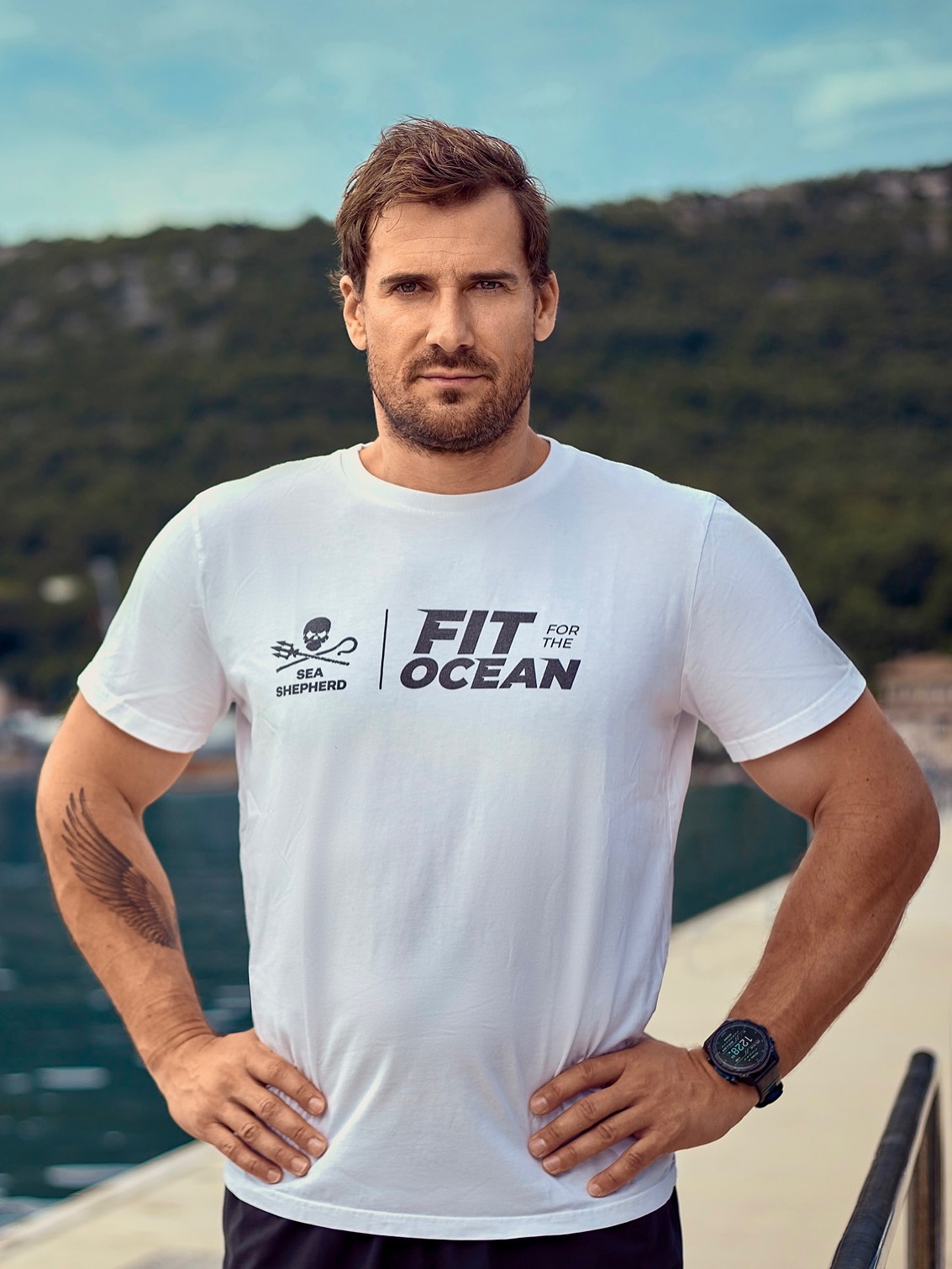
Most of us struggle to hold our breath for more than 30 seconds. A full minute feels like a stretch, and anything beyond that can feel impossible. Yet in June 2025, Croatian freediver Vitomir Maričić set a Guinness World Record by holding his breath for an incredible 29 minutes and 3 seconds underwater in a pool in Croatia.
It’s the kind of achievement that makes headlines worldwide. But beyond the world record and the “wow factor,” there’s a powerful lesson for anyone learning to swim, overcoming fear of water, or trying to swim faster: breath control is the foundation of confidence in the water.
How Did He Do It?
Maričić didn’t just jump into a pool and hold his breath for half an hour. His performance combined science, preparation, and physiology.
- Oxygen Pre-Breathing: Before submersion, he spent 10 minutes breathing pure oxygen. This filled his body with oxygen and delayed the build-up of carbon dioxide — the gas that normally makes us feel desperate for air.
- Mammalian Dive Reflex: Just like dolphins and seals, humans have a natural dive reflex. When we’re underwater, our bodies slow the heart rate, shift blood to vital organs, and even squeeze extra red blood cells from the spleen to stretch oxygen supply.
- Mind Over Body: The hardest part wasn’t lack of oxygen, but resisting the urge to breathe caused by rising CO₂ levels. Maričić endured strong diaphragm contractions for much of the attempt — a mental battle that freedivers train for years to master.
What It Means for Everyday Swimmers
You may not want to push past 20 minutes underwater, but the same principles are at play in every swimming lesson or training session.
- Breath control builds confidence. One of the biggest fears for adults learning to swim is “running out of air.” Learning how to exhale calmly, pause, and take smooth, rhythmic breaths turns panic into confidence.
- Breath control drives efficiency. In freestyle, the timing of your breath affects body position, rhythm, and speed. Get it wrong and you’ll fight the water. Get it right and everything feels smoother.
- Breath control supports endurance. Triathletes, ocean swimmers, and competitive athletes all benefit from better CO₂ tolerance. It helps you stay calm when your heart rate climbs and conserve energy over longer distances.
- Breath control transforms fear. For aquaphobic swimmers, panic often starts with the breath. Learning to stay calm with your face in the water is the first step to overcoming that fear.
At Swimly, we’ve helped over 200 adults overcome fear of water and countless swimmers refine their technique. The breakthrough almost always begins with improving their relationship to breathing.
Training Breath Control in Swimming
Here’s how we use the science of breath control to help our swimmers:
- Simple Exhalation Drills: Teaching swimmers to exhale slowly underwater instead of holding their breath. This prevents the sudden rush of panic when it’s time to inhale.
- Floating & Relaxation Exercises: Just like freedivers, we focus on staying relaxed. A relaxed swimmer uses less oxygen and moves more efficiently.
- Rhythmic Breathing in Strokes: Whether it’s bilateral breathing in freestyle or timed breaths in breaststroke, we break breathing down into skills that match stroke technique.
- Confidence-Building Progressions: For fearful swimmers, we build comfort step by step — first with face-in-water breathing, then gentle floating, then adding movement.
The goal isn’t to chase records — it’s to make swimming feel easier, calmer, and more natural.
Why It Matters
The 29-minute world record shows the extraordinary capacity of the human body. But for everyday swimmers, the real lesson is that mastering your breath unlocks freedom in the water.
- It’s the difference between panic and calm.
- Between fighting the water and flowing through it.
- Between dreading the pool and actually enjoying it.
Whether you’re an adult taking your first lesson, a parent supporting your child, or an athlete chasing performance, breath control is the foundation.
Ready to Experience the Difference?
At Swimly | Gold Class Swimming Lessons, we don’t just teach strokes — we teach swimmers how to breathe, relax, and move with confidence.
Led by World Champion Jason Cram, our programs specialise in:
- Adults overcoming fear of water (aquaphobia)
- Stroke correction for juniors and seniors
- Ocean swimming and triathlon preparation
- Mindset coaching for competitive swimmers
If you’ve been putting off swimming because of fear, struggle, or frustration, now’s the time to change that. Breath control is your starting point — and we’ll guide you every step of the way.
Book your first session today and discover how powerful your swimming can become.