- May 25, 2026
- Posted by: swimlyadn1m
- Category: Competitive Swimmers
How to Float in Water for Beginners: Easy Step-by-Step Guide
Floating is one of the most important beginner swimming skills. It helps you feel safe, relaxed, and more confident in the water. Many beginners think floating is difficult, but the truth is: your body naturally wants to float when you relax and use proper breathing.
Whether you’re learning to swim as an adult or helping your child become comfortable in the pool, this guide will teach you simple techniques to float with confidence.
Why Learning to Float Matters
Floating is the foundation of swimming. Once you learn how to float properly, you can:
- Feel safer in deeper water
- Conserve energy while swimming
- Improve breathing and body control
- Build confidence in the pool
- Learn swimming strokes more easily
Many beginner swimmers struggle because they tense up. Floating teaches you to trust the water and stay calm.
Can Everyone Float?
Yes — most people can float with proper technique and relaxation.
Body composition, lung capacity, and water type can affect how easily you float, but almost everyone can learn. The key is understanding that floating is more about balance and breathing than strength.
Step-by-Step: How to Float in Water for Beginners
1. Start in Shallow Water
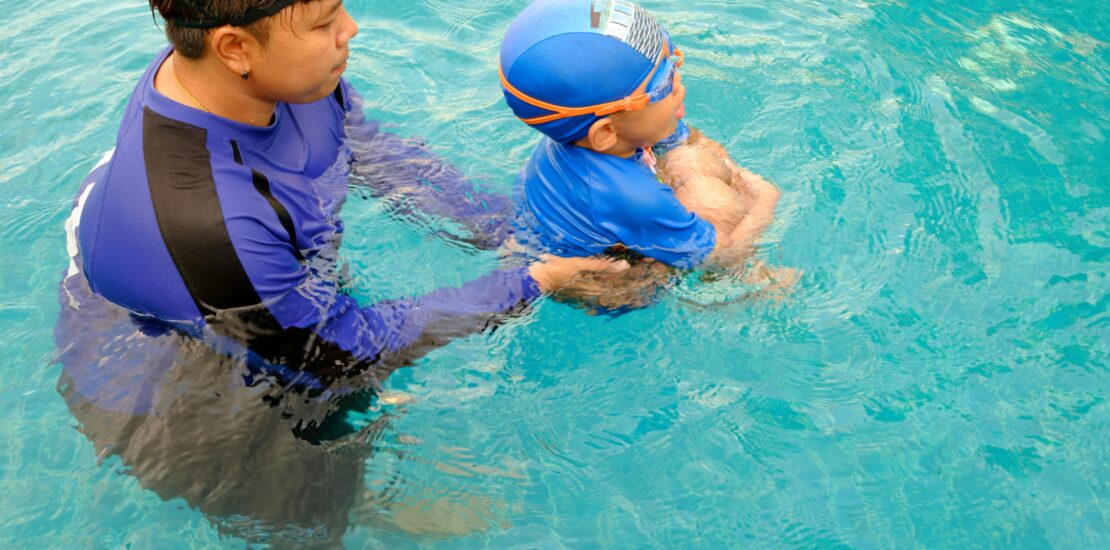
Begin in a pool where you can comfortably stand. This helps reduce fear and allows you to practice safely.
If possible, practice with:
- A swim instructor
- A trusted friend
- Pool noodles or floatation support
2. Practice Relaxed Breathing
Breathing plays a huge role in floating.
Take slow deep breaths and notice how your body naturally rises when your lungs fill with air.
Practice this simple rhythm:
- Inhale deeply through your mouth
- Hold gently for a second
- Exhale slowly
The more relaxed your breathing is, the easier floating becomes.
3. Lean Back Slowly
For a back float:
- Stand in chest-deep water
- Slowly lean your shoulders and head backward
- Keep your ears in the water
- Look straight up toward the ceiling or sky
Avoid lifting your head too high because it causes your hips and legs to sink.
4. Spread Your Arms and Legs
Your body floats better when spread out.
Try forming a “starfish” position:
- Arms relaxed to the sides
- Legs slightly apart
- Body long and loose
This helps distribute your weight evenly in the water.
5. Keep Your Hips Up
Many beginners sink because they bend at the waist.
Focus on:
- Pushing your belly upward
- Keeping your hips near the surface
- Relaxing your legs
Your body should feel long and supported by the water.
6. Relax Your Neck and Head
Trust the water to support you.
Common mistake:
- Trying to “hold” your head up
Instead:
- Let your ears rest in the water
- Keep your chin neutral
- Relax your shoulders
The more relaxed you are, the easier you float.
Beginner Floating Drills
Wall-Assisted Float
Hold the pool edge while practicing body position and breathing.
Supported Back Float
Use a kickboard or have someone support your back gently while you relax.
Starfish Float
Practice spreading your body wide for balance and stability.
Breath-and-Float Exercise
Take a deep breath and notice your body rising naturally.
Common Mistakes Beginners Make
Tensing the Body
Stiff muscles make floating harder. Stay loose and relaxed.
Holding the Head Forward
Looking at your feet causes sinking hips.
Panicking
Fear makes the body tighten. Practice slowly and calmly.
Kicking Too Much
Floating requires balance, not constant movement.
Tips to Build Confidence in Water
- Practice regularly
- Start in calm, shallow pools
- Use goggles for comfort
- Float for a few seconds at a time
- Celebrate small progress
Remember: floating is a skill that improves with patience and repetition.
Is Floating Easier in Salt Water?
Yes. Salt water provides more buoyancy than fresh water, making floating easier. That’s why many people naturally float more easily in the ocean or sea.
How Long Does It Take to Learn Floating?
Some beginners learn in one session, while others need several practice days to fully relax and trust the water.
Consistency matters more than speed. Even practicing 10–15 minutes regularly can make a big difference.
Final Thoughts
Learning how to float in water is one of the first big milestones in swimming. Once you understand breathing, body position, and relaxation, floating becomes much easier and more natural.
Don’t rush the process. Stay patient, stay calm, and trust the water. With regular practice, you’ll gain confidence and enjoy swimming much more.